Books that make you question reality challenge the things a story usually lets you trust: memory, perception, identity, or the rules of its world. Start with Piranesi for an atmospheric mystery, Dark Matter for alternate lives, Ubik for disorientation, or The Lathe of Heaven for dreams that change the world.
This spoiler-light guide compares eight novels by other authors. Each unsettles a different assumption, so the best choice depends on whether you want suspense, philosophical difficulty, or a more reflective reading experience. Cokos author Denys Kostin’s fiction is introduced separately below.
Quick comparison: which book about reality is right for you?
| Book | What it questions | Reading experience |
|---|---|---|
| Piranesi Susanna Clarke | Perception and knowledge | Atmospheric fantasy; a compact mystery |
| The Lathe of Heaven Ursula K. Le Guin | Dreams, power, and unintended consequences | A concise philosophical science-fiction novel |
| Ubik Philip K. Dick | Unstable evidence and false certainty | Disorienting, darkly comic science fiction |
| Dark Matter Blake Crouch | Alternate lives and personal identity | A fast science-fiction thriller |
| Recursion Blake Crouch | Memory, time, and shared reality | An escalating speculative thriller |
| Permutation City Greg Egan | Simulation and digital identity | Dense conceptual science fiction |
| Solaris Stanisław Lem | Alien intelligence and human projection | Reflective, psychological science fiction |
| The Midnight Library Matt Haig | Regret and possible lives | Accessible contemporary speculative fiction |
The order is a reading path, not a ranking. Descriptions stay with premises and themes rather than revealing endings.
Eight books that make you question reality
1. Piranesi by Susanna Clarke
Best for: perception and knowledge.
Piranesi keeps meticulous records of an immense House filled with statues and tides. His observations are precise, but the meaning of the world he inhabits remains uncertain.
What it makes you question: The unsettling question is whether you can describe your surroundings accurately while misunderstanding almost everything important about them. The novel separates noticing from knowing, and lets trust become part of the mystery.
Choose it for wonder and a distinctive voice rather than fast action. It is especially rewarding to approach without knowing the plot’s revelations.
2. The Lathe of Heaven by Ursula K. Le Guin
Best for: dreams, power, and unintended consequences.
George Orr discovers that some of his dreams alter reality. Attempts to direct that ability turn a private fear into a problem about power over everyone else’s existence.
What it makes you question: The story asks whether a person can improve the world without understanding the full consequences of the improvement. What seems benevolent from one viewpoint can erase something another person considers essential.
Choose it for an ethical puzzle inside a strange premise. Its central tension is less about solving a mechanism than about deciding who should be allowed to use it.
3. Ubik by Philip K. Dick
Best for: unstable evidence and false certainty.
A world of psychic services and suspended life becomes increasingly difficult for its inhabitants to interpret. Familiar objects and ordinary explanations stop providing dependable reassurance.
What it makes you question: Dick makes the reader’s search for a stable explanation part of the experience. Each apparent clue can change what earlier evidence seemed to mean. The effect is not simply a surprise ending, but sustained uncertainty about which assumptions deserve confidence.
Choose it if you enjoy ambiguity and do not need every question resolved neatly. Readers who prefer an orderly explanation may find its instability more frustrating than satisfying.
4. Dark Matter by Blake Crouch
Best for: alternate lives and personal identity.
Jason Dessen is taken from his familiar life and confronts a world in which crucial parts of his personal history are different. His attempt to get home turns a speculative premise into an urgent emotional problem.
What it makes you question: The question is not only which world is real, but what makes a particular life yours. Relationships, choices, and unrealized possibilities become competing ways to describe the same person.
Choose it for momentum, suspense, and a relatively approachable entry into alternate-world fiction. It uses scientific speculation to drive a thriller; it should not be treated as an explanation of established physics.
5. Recursion by Blake Crouch
Best for: memory, time, and shared reality.
People begin experiencing memories of lives that conflict with the lives they believe they have lived. An investigation into that disturbance grows into a story about memory and its consequences.
What it makes you question: Memory usually serves as our evidence that the past happened. This novel destabilizes that evidence and asks what happens to identity and responsibility when remembered experience no longer fits a single history.
Choose it if the memory problem interests you more than the alternate-life premise of Dark Matter. It shares that book’s urgency, but places greater weight on the accumulation of consequences.
6. Permutation City by Greg Egan
Best for: simulation and digital identity.
Digital copies of human minds exist in computational environments. Their circumstances turn questions about personhood and the reality of simulated worlds into practical problems for the people experiencing them.
What it makes you question: A useful way to read the novel is to ask what, from within an experience, could establish that it is less real than another. The story presses on the relationship between a world’s substrate, its structure, and the minds inside it.
Choose it for demanding ideas rather than an easy entry point. Its speculative arguments require patience, and the philosophical possibilities it explores are not settled scientific conclusions.
7. Solaris by Stanisław Lem
Best for: alien intelligence and human projection.
Researchers studying the planet Solaris encounter phenomena that unsettle their confidence in their own understanding. The alien ocean resists the categories through which human beings try to interpret it.
What it makes you question: The novel asks whether contact means meeting something other than ourselves or merely finding our own expectations reflected back. Memory and emotion complicate the ideal of detached observation.
Choose it for the limits of knowledge and the difficulty of understanding another kind of mind. Its appeal lies in uncertainty and psychological tension rather than a conventional first-contact adventure.
8. The Midnight Library by Matt Haig
Best for: regret and possible lives.
Nora Seed encounters a library offering access to lives she might have lived had she made different choices. An everyday question—what if I had chosen differently?—becomes an experience she can explore.
What it makes you question: This is a gentler kind of reality-questioning than Ubik or Permutation City. Its focus is whether imagined alternatives provide a fair basis for judging the life one actually has, rather than whether an external world exists.
Choose it for direct prose and an emotional exploration of regret. The story includes depression and a suicide attempt. Readers wanting unsettling metaphysics may prefer a different book from the list.
What does it mean for a book to question reality?
These stories do not all make the same claim. Some change the fictional world itself; others expose the limitations of a character’s account. Keeping that distinction in mind makes the reading more interesting.
- Perception: a character can notice real details but interpret them incorrectly. Piranesi makes that gap central.
- Memory: remembered experience supports identity, but may conflict with other evidence. Recursion turns this into a speculative crisis.
- Existence: a simulated world raises questions about what counts as real from the inside. Permutation City is the most conceptually demanding example here.
- Control: changing reality introduces ethical consequences. The Lathe of Heaven asks whether good intentions are enough.
- Other minds: something may exist independently of us while resisting our explanations. Solaris develops that possibility.
Books about reality versus books about alternate realities
A book can question reality without containing parallel worlds. Unreliable evidence, unfamiliar minds, or a mistaken worldview can be enough. Alternate-reality stories more specifically explore different possible worlds or lives, as in Dark Matter.
For that narrower interest, explore books about alternate realities. For the underlying philosophical question, see how we know what is real.
Fantasy and science fiction take different routes
A fantastic setting can make the unfamiliar feel natural to its narrator. Science fiction may instead introduce a technology or hypothesis and explore its consequences. Neither approach makes a novel’s premise evidence about our own world: these books are imaginative explorations, not demonstrations that reality is an illusion.
Choose your next read by the experience you want
- “I want a story that pulls me along.” Start with Dark Matter; try Recursion next if memory and time interest you.
- “I want to explore a strange place.” Choose Piranesi and avoid detailed plot summaries.
- “I want uncertainty that does not settle neatly.” Choose Ubik or Solaris.
- “I want a difficult philosophical puzzle.” Choose Permutation City.
- “I want a question about responsibility.” Choose The Lathe of Heaven.
- “I want to reflect on the life I could have lived.” Choose The Midnight Library.
If you already know one of these books, continue with books like The Midnight Library or books like The Three-Body Problem. For a broader introduction to the genre, explore philosophical fantasy books.
Explore Cokos fiction: an author disclosure
Disclosure: I am Denys Kostin, author of the books in this section. Cokos publishes my fiction. These titles are presented separately from the eight recommendations above.
The Eternity trilogy approaches time, reality, and responsibility through philosophical fantasy. It may appeal to readers who want metaphysical questions to shape the stakes of a connected story.
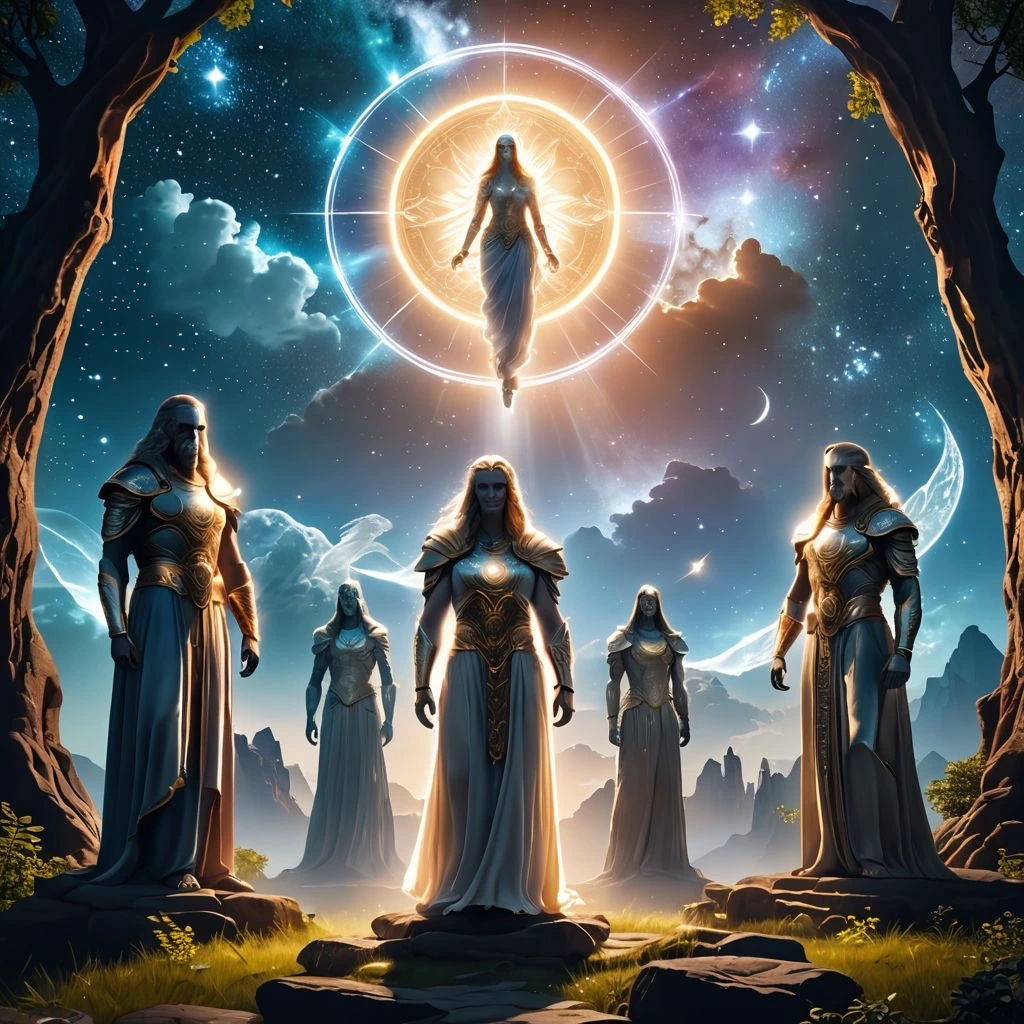
1. Those Who Guard Eternity
Begin with the first book, exploring the responsibility of protecting Eternity and the consequences of choices that extend beyond one life.
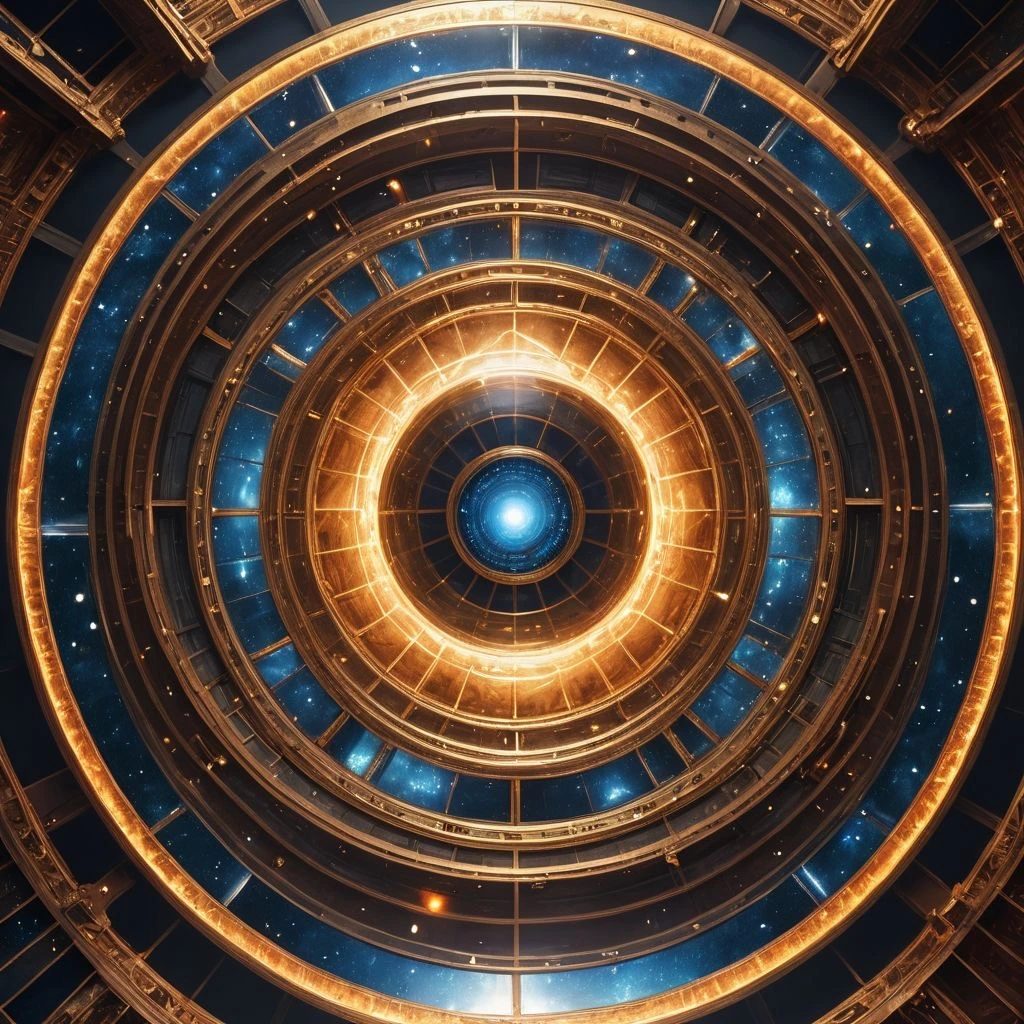
2. Those Who Destroy Eternity
Continue the trilogy through power, sacrifice, and the cost of breaking the structures that sustain a world.
3. Those Who Shape Eternity
Complete the trilogy with questions of creation, agency, and responsibility for what comes next.
A separate psychological novel: Those Who See Clearly
Those Who See Clearly explores intuition, perception, and the explanations people give for their decisions. It has a separate premise and cast of characters; it is not book four of the Eternity trilogy.
Explore Those Who See Clearly →
You can read Cokos books online free. The novels by other authors discussed in the main list are recommendations; their full texts are not hosted here.
Frequently asked questions
Which book should I read first?
Choose Piranesi for atmosphere, Dark Matter for a fast thriller, or The Lathe of Heaven for a compact ethical puzzle. Your preferred pace matters more than choosing the most difficult book.
Which books question reality through memory?
Recursion places conflicting memories at the center of its speculative premise. Solaris brings memory into a different problem: the difficulty of understanding an alien presence without projecting ourselves onto it.
Which book is about simulated reality?
Permutation City is the clearest match in this selection. Its digital minds raise questions about identity and the reality of experience within a computational world.
Are these all science-fiction novels?
No. The list includes fantasy, science fiction, and contemporary speculative fiction. The shared feature is a challenge to assumptions about reality, not one genre or writing style.
Are these books nonfiction accounts of how reality works?
No. These are novels. They can help you examine an idea or notice an assumption, but their invented worlds do not establish scientific or philosophical conclusions about our own.
Which books are most approachable?
Dark Matter offers thriller momentum, while The Midnight Library uses direct prose and an emotional focus. Piranesi is relatively compact, though its unfamiliar setting asks readers to tolerate uncertainty.
Where can I read the Cokos titles?
Start with Those Who Guard Eternity for the trilogy, or choose Those Who See Clearly for the separate psychological novel. Each book page provides its reading links.
Editorial method: selections focus on perception, memory, possible worlds, simulation, or the limits of understanding. Publisher and author descriptions inform the premises; thematic comparisons and reading-difficulty judgments are editorial interpretations. No objective ranking is implied.